
The Rich History Behind Indian restaurant Most Famous Dishes
1. Biryani — A Dish Shaped by Many Cultures
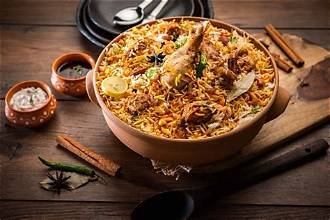
Biryani is one of India’s most popular rice dishes, but its history is closely connected with the movement of people and culinary traditions across the Indian restaurant.
The dish is generally associated with Persian and Central Asian culinary influences, which blended with local Indian ingredients and cooking techniques. Over time, different regions developed their own versions.
From the aromatic Hyderabadi biryani to Lucknowi biryani, Kolkata biryani, and many regional variations, each style tells a different story.
2. Butter Chicken — From Delhi to the World
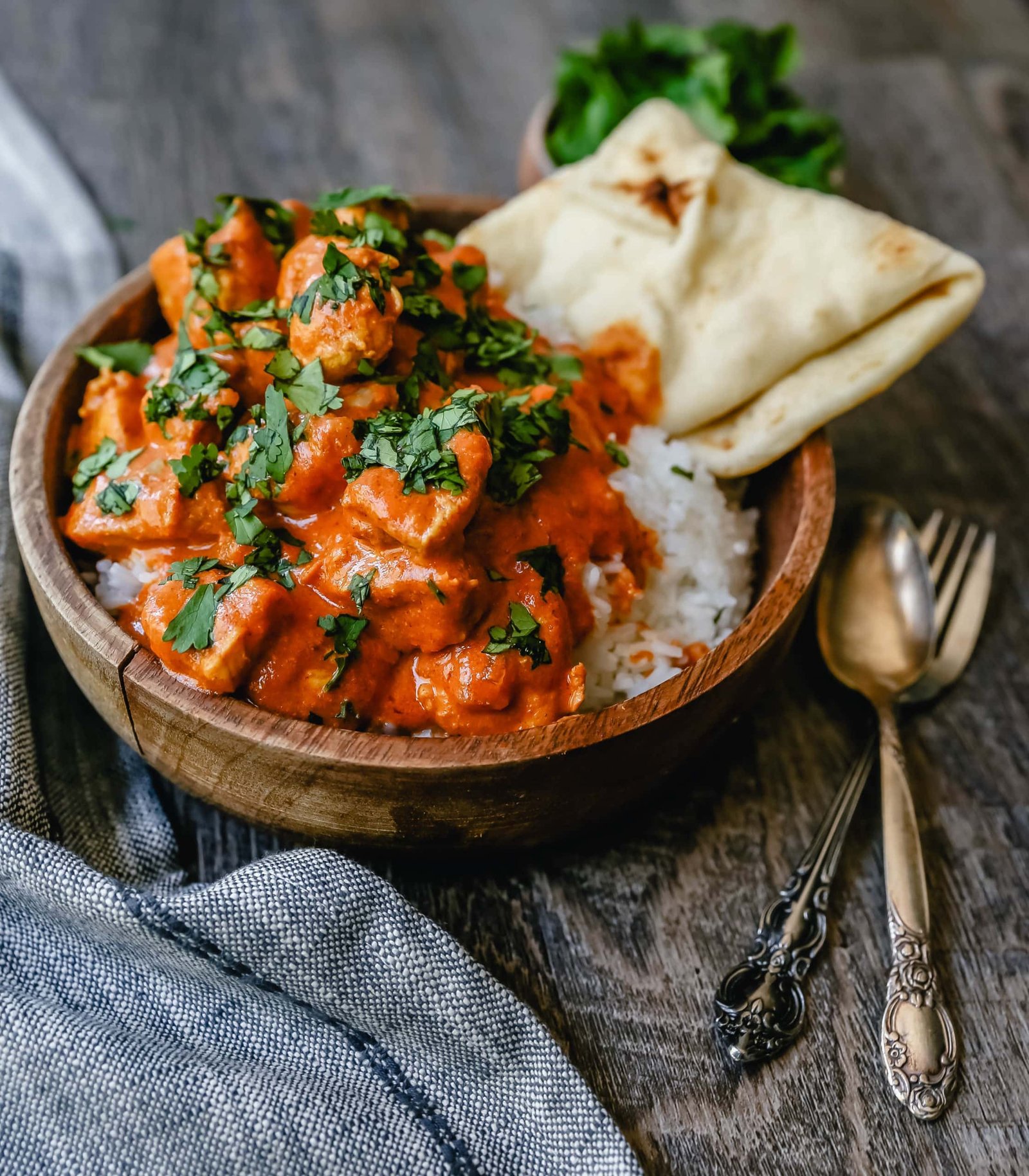
Butter chicken has become one of India’s most internationally recognised dishes.
Its origins are associated with Delhi and the culinary traditions that developed around the city’s Punjabi community. The dish combines roasted chicken with a rich, tomato-based gravy, butter, cream, and aromatic spices.
Its popularity grew because it offered a delicious combination of smoky, creamy, mildly spiced flavours. Today, butter chicken can be found on Indian restaurant menus around the world and has become an important part of India’s modern culinary identity.
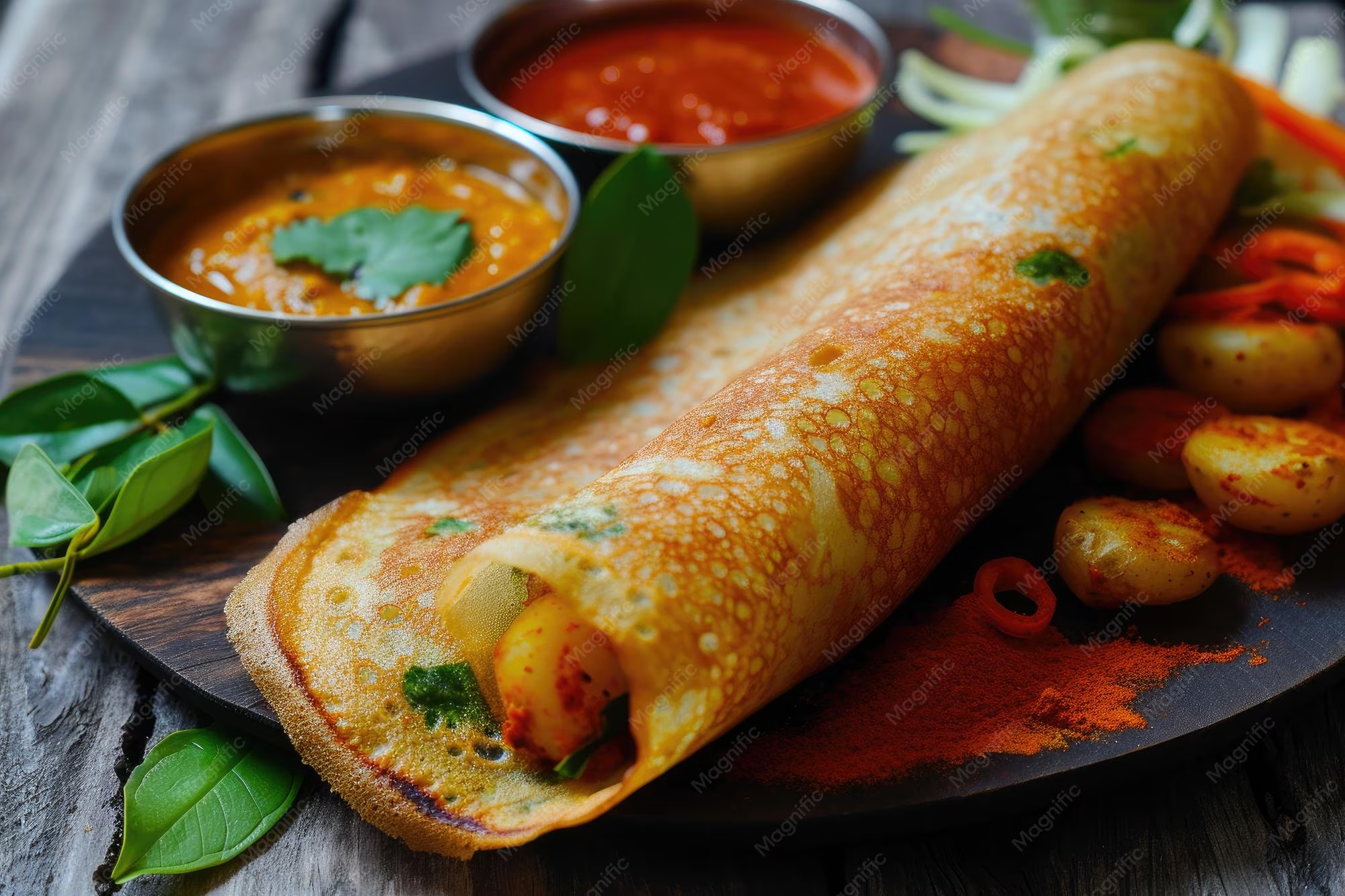
3. Masala Dosa — A South Indian Classic
Butter chicken has become one of India’s most internationally recognised dishes.
Its origins are associated with Delhi and the culinary traditions that developed around the city’s Punjabi community. The dish combines roasted chicken with a rich, tomato-based gravy, butter, cream, and aromatic spices.
Its popularity grew because it offered a delicious combination of smoky, creamy, mildly spiced flavours. Today, butter chicken can be found on Indian restaurant menus around the world and has become an important part of India’s modern culinary identity.
4. Chole Bhature — A North Indian Favourite
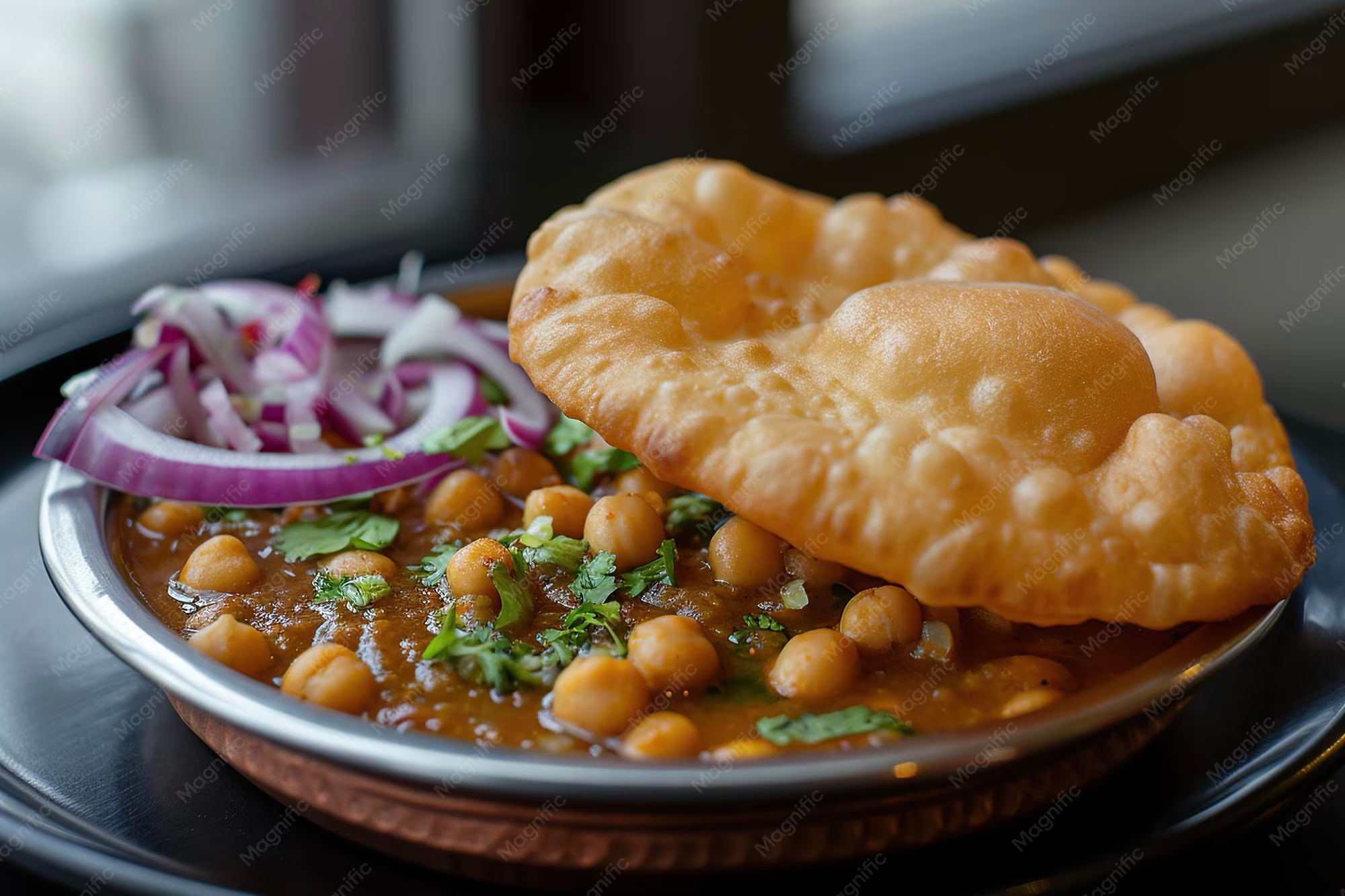
Chole bhature is a combination of spicy chickpea curry and deep-fried bread known as bhatura.
The dish is particularly popular in North Indian restaurant and is closely associated with Punjabi and Delhi food culture. Its rich flavours, hearty portion, and satisfying combination have made it a favourite for breakfast, lunch, or a weekend meal.
Today, chole bhature can be found everywhere from traditional eateries to modern restaurants, showing how regional food can become a nationwide favourite.
5. Rogan Josh — A Taste of Kashmir
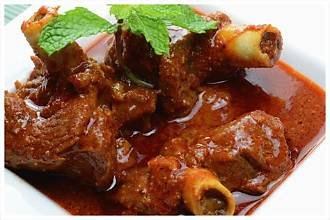
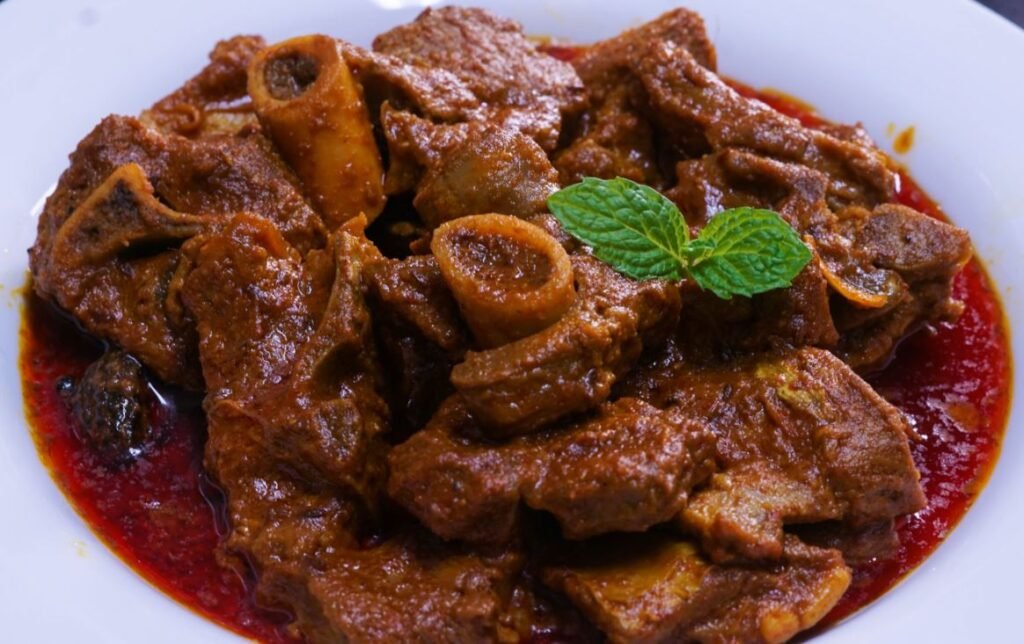
Rogan Josh is one of the most famous dishes associated with Kashmiri cuisine.
The dish features tender meat cooked slowly with aromatic spices. Its history reflects the cultural influences that shaped Kashmir’s cuisine over centuries, including influences from Central Asia and Persia to Indian restaurant.
A Taste of History on Every Plate
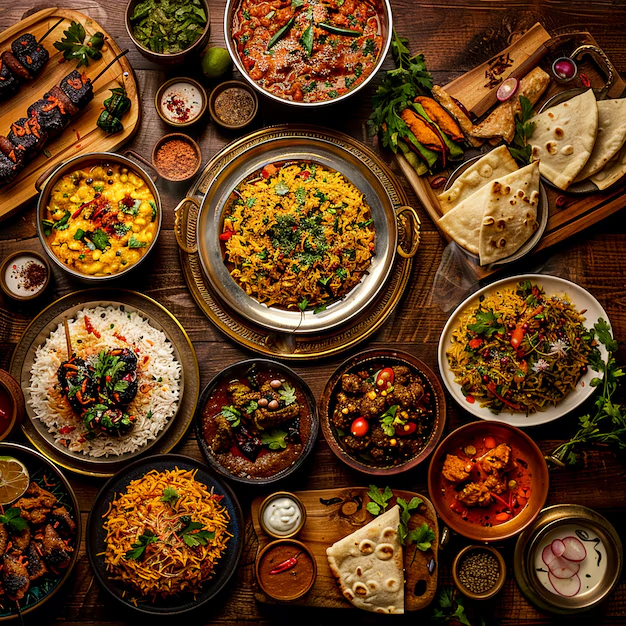
The next time you enjoy a plate of biryani, a crispy masala dosa, a comforting bowl of dal, or a hot samosa with chutney, remember that you are experiencing more than just a recipe.
You are tasting a small part of India’s remarkable culinary journey.
At Piyush Dining & Co., we believe that great food becomes even more meaningful when you understand the stories and traditions behind it. Indian restaurant continues to evolve, but its rich heritage remains at the heart of every memorable meal.
Frequently Asked Questions
1. What makes Indian cuisine so diverse?
Indian restaurant has a vast range of climates, cultures, communities, ingredients, and culinary traditions. Different regions developed their own cooking methods, spices, and signature dishes, resulting in an exceptionally diverse cuisine.
Which Indian restaurant dishes have historical or cultural influences from outside India?
Dishes such as biryani, samosa, and kebabs have historical influences from Persian, Central Asian, and Mughal culinary traditions. An Indian restaurant often showcases how these influences became part of Indian cuisine. A traditional Exploring an Indian restaurant menu can therefore reveal centuries of cultural exchange. For food lovers, visiting an Indian restaurant is a delicious way to experience India’s diverse culinary history.
Why are spices so important in Indian cooking?
Dishes like biryani, samosa, kebabs, and naan have historical influences from Persian, Central Asian, and Mughal cuisines. An Indian restaurant often showcases these cultural influences through traditional recipes. A modern Indian restaurant may offer regional variations of these dishes, while a traditional Indian restaurant preserves their original flavours. Exploring an Indian restaurant menu reveals how different cultures influenced Indian cuisine. Visiting an Indian restaurant is therefore a great way to experience this rich culinary history.